Learning to Grow
The spiritual side of gardening

This past year we had to move house, unexpectedly and unhappily. But that’s a story for another day. It’s turned out to be a greater gift than I could have ever imagined, not least due to moving into a home with an extremely large and verdant garden. We didn’t move in until October, when most plants had begun to die. And as we recovered from our own trials we simply did not have the energy to go out and take care of anything else. Spring came around and suddenly we were faced with overgrown, dead, decaying plants.
I’ve never been into gardening, mostly due to lack of opportunity. This is the first house we’ve lived in that actually has a garden worth tending to, a garden we’ll be able to enjoy for years to come. I am a nervous gardener, having managed to kill a succulent in record time the first time I purchased a plant to care for, and I carry around some shame about my lack of a green thumb given that my grandmother owned her own flower nursery and my mother has always had the most beautiful gardens. Where others can identify types of flower just by looking, I’m pulling out Google Lens on my phone to figure out what anything is.
So I’ve always felt a little bit of distance from those passages in Scripture that speak of gardens and use the metaphors of growing. Adam and Eve may have been created to be gardeners but sometimes I wonder if my lineage goes all the way back to them. I’d probably be the farmer who put seed into blatantly rocky soil without seeing any problem. Don’t get me wrong. I love flowers. I love enjoying the beauty of nature. I just… don’t really know what I’m doing when it comes to growing things.
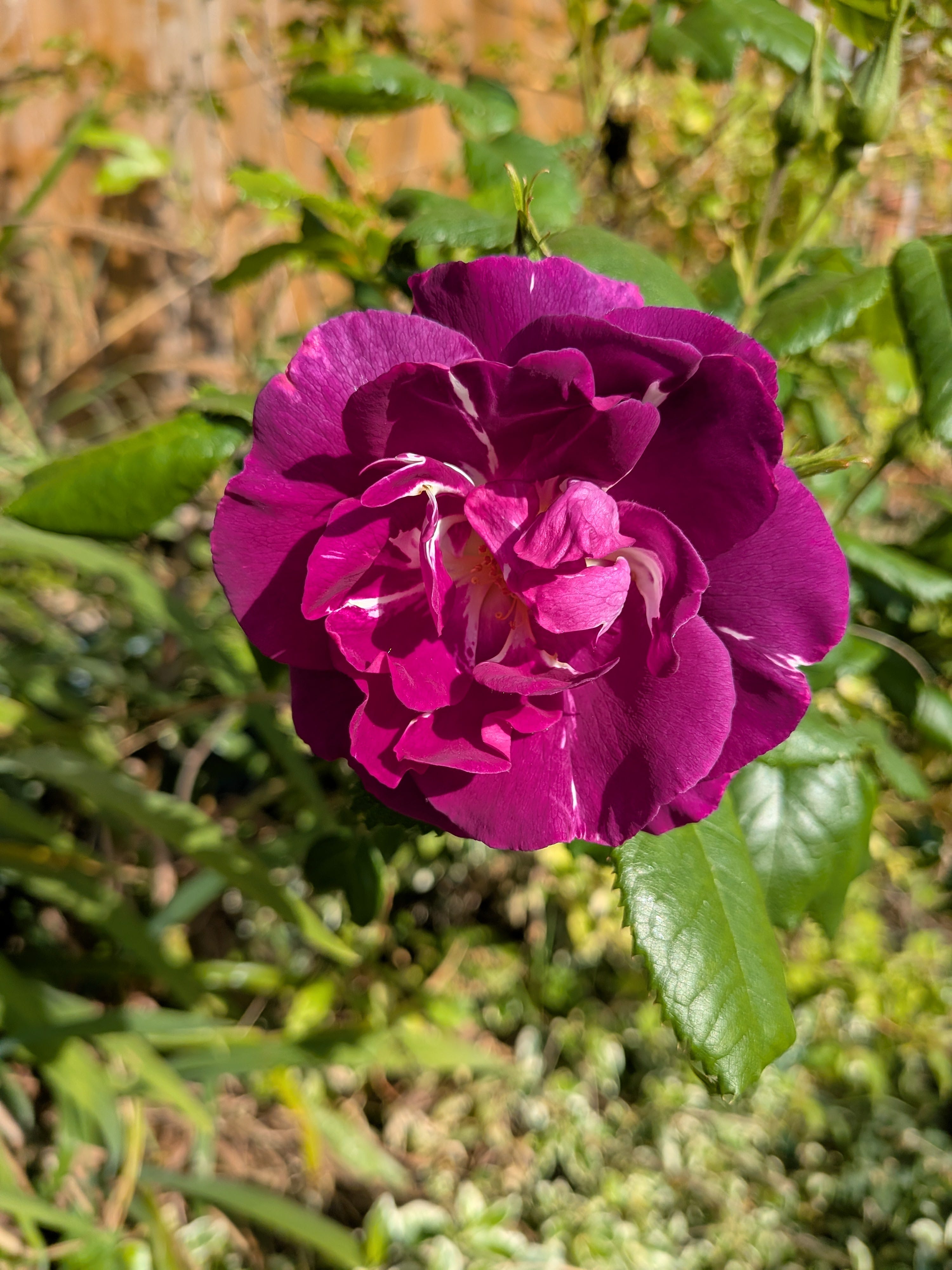
But a few months ago I put my fears aside, did a little googling, and just started by clearing out all the dead plants and trimming back the overgrowth. It was not a pleasant task: my back ached, my arms were scratched, dirt was smeared everywhere, sweat streamed down my face. It was, however, extremely rewarding to see some sense of order slowly return to the flower beds. It was even more rewarding in the next few weeks to watch as flowers started to bud, and then the real joy of discovery began as explosions of colour popped up day after day. I’ve found myself slowly learning about different plants and how to care for them. We even have a vegetable patch that I’d resigned myself to losing, but this week I managed to harvest a large crop of rhubarb, and I think I may have even done it correctly. I’m becoming a proud plant parent, sending my mom regular texts with all the new blooms.
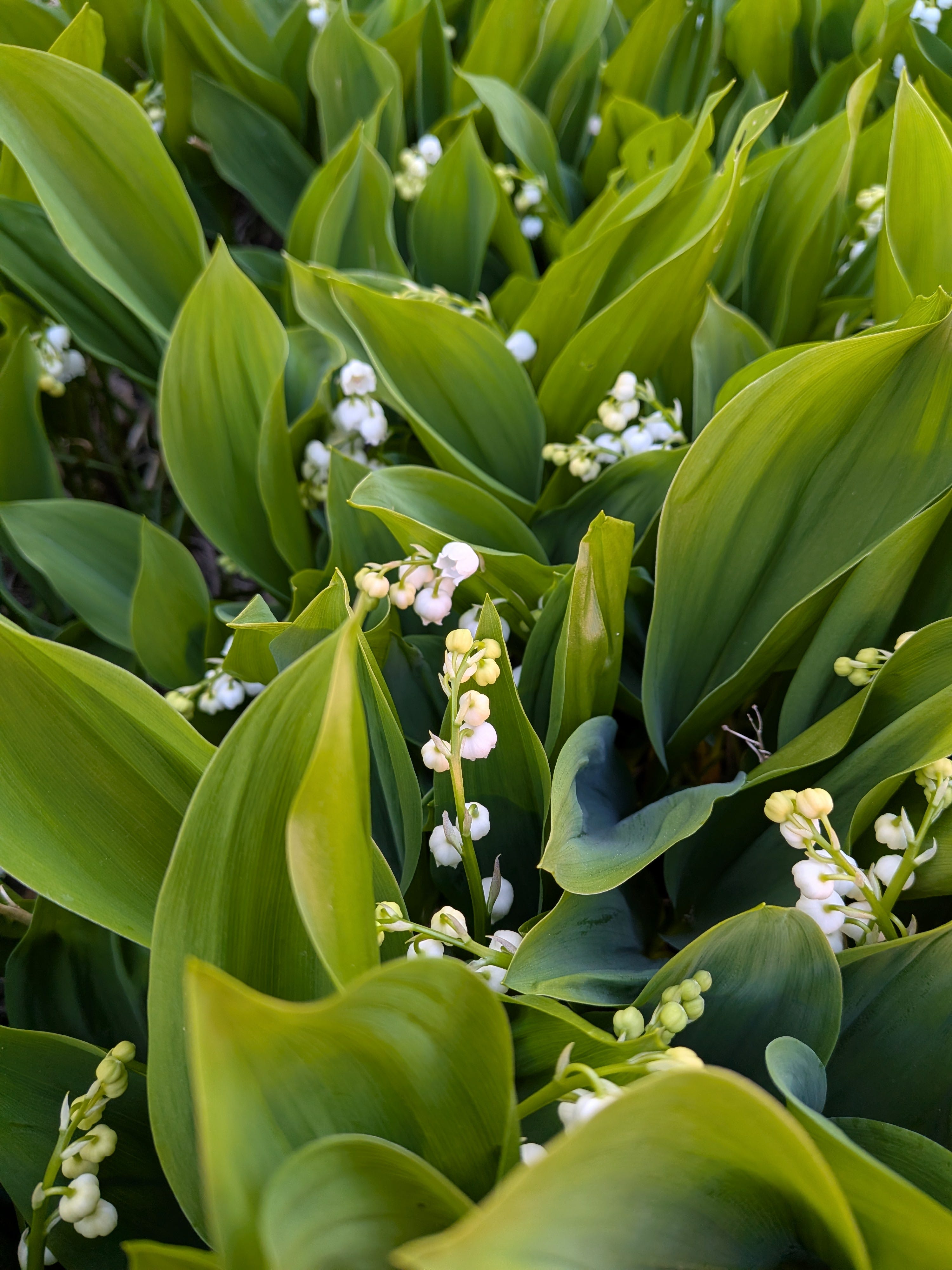
There’s been a spiritual side to this exploration, too. One of the first plants that started blooming was lily of the valley, and as soon as Google Lens identified it for me Matthew 6:28-34 popped into my head:
‘Consider the lilies of the field, how they grow: they neither toil nor spin, yet I tell you, even Solomon in all his glory was not arrayed like one of these. But if God so clothes the grass of the field, which today is alive and tomorrow is thrown into the oven, will he not much more clothe you, O you of little faith? Therefore do not be anxious, saying, ‘What shall we eat?’ or ‘What shall we drink?’ or ‘What shall we wear?’ For the Gentiles seek after all these things, and your heavenly Father knows that you need them all. But seek first the kingdom of God and his righteousness, and all these things will be added to you. Therefore do not be anxious about tomorrow, for tomorrow will be anxious for itself. Sufficient for the day is its own trouble.’
Emerging from a season of anxiety and upheaval, these have been sweet words to reflect on and testify to – God does indeed provide all things that are needed. It doesn’t mean you’ll get what exactly you want, and the experience might be uncomfortable, but he provides for his children. That’s not easy to feel in the midst of hardship, but in retrospect I can see all the large and small ways God has provided and continues to do so. And there are so many ways in which he provided far beyond what I needed. I am safe with a God who loves me so tenderly, no matter the circumstances I find myself in.
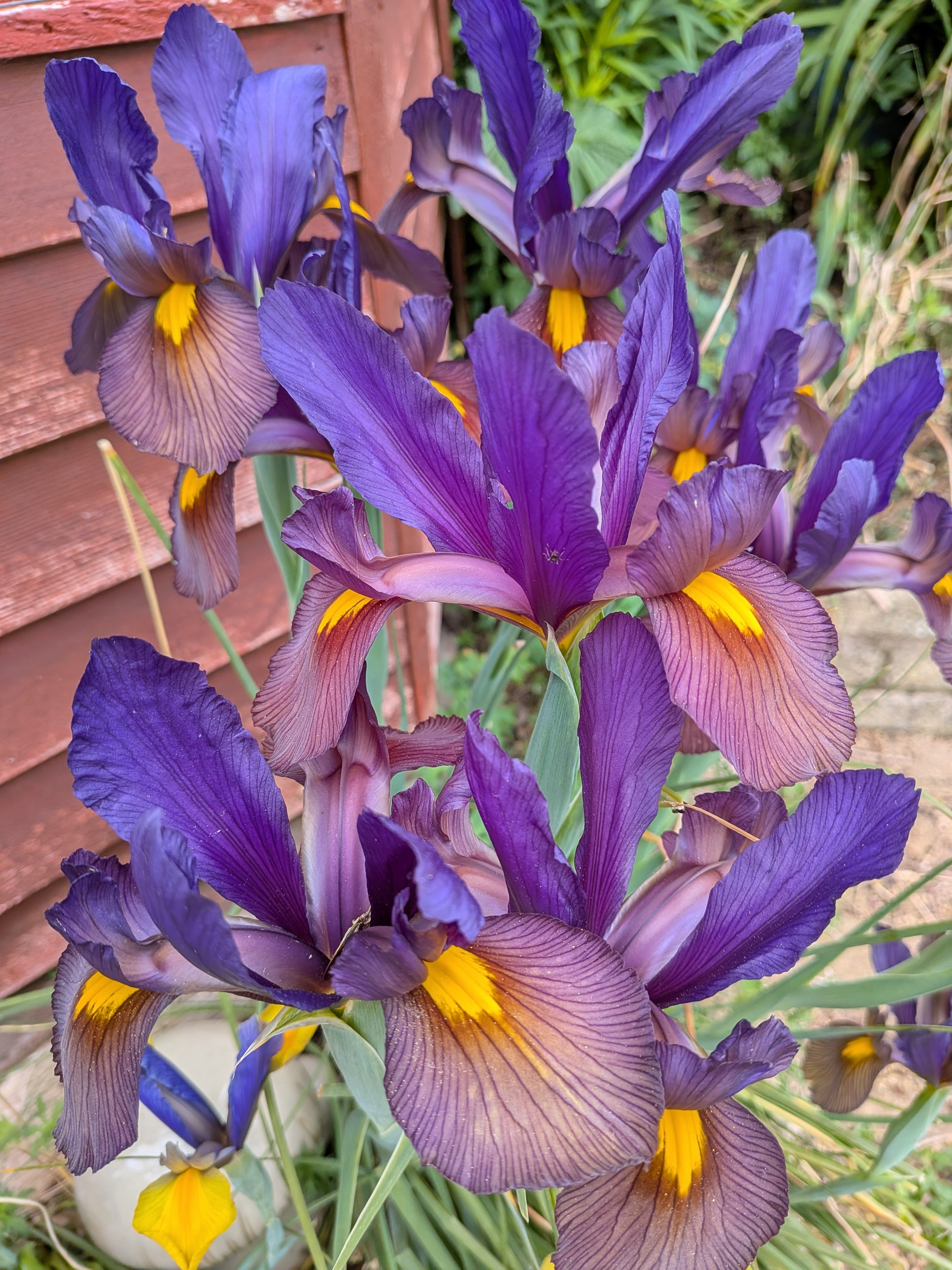
As I’ve learned about how cutting off deadheads promotes growth and pruning overgrown plants keeps them healthy, I’ve also reflected on John 15:1-2, 5-6:
‘I am the true vine, and my Father is the gardener. He cuts off every branch in me that bears no fruit, while every branch that does bear fruit he prunes so that it will be even more fruitful. … I am the vine; you are the branches. If you remain in me and I in you, you will bear much fruit; apart from me you can do nothing. If you do not remain in me, you are like a branch that is thrown away and withers; such branches are picked up, thrown in the fire and burned.’
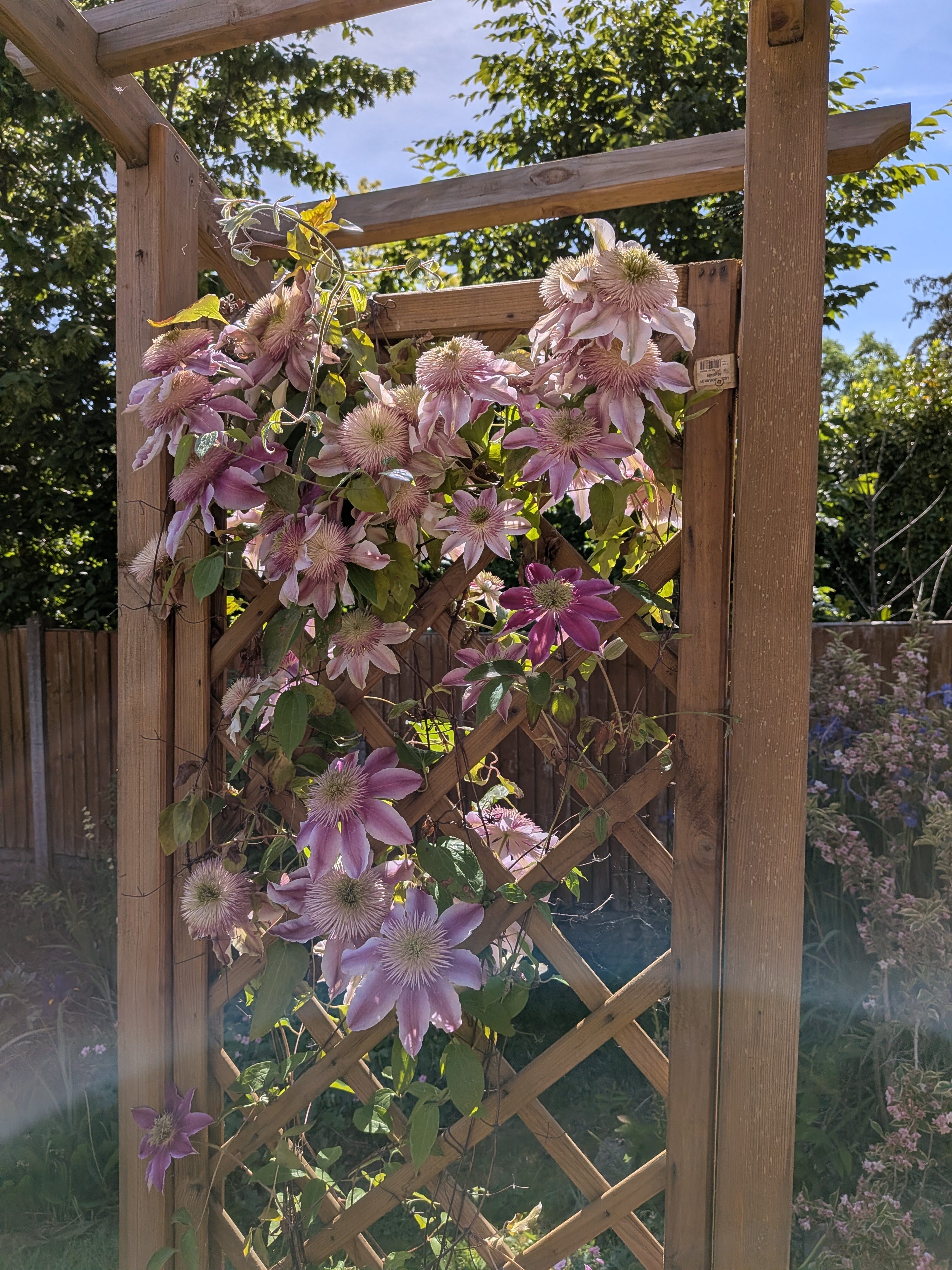
Being pruned is not a comfortable experience, but it is necessary if we are to continue growing in a healthy way. If we want to continue bearing fruit, as we are all called to do, then we will often find ourselves in seasons of pruning. At the time this might seem unnecessary or unfair, but—again in retrospect—I can see how some of the most difficult situations in my life have formed my character and provided opportunities for me to grow in new ways. Yet, apart from good soil, no amount of pruning will help a plant produce good fruit. We simply cannot grow unless we remain rooted in Christ. He is the one who gives us life through the Spirit. And only a Spirit-filled life can produce good, fulsome, overabundant harvests of fruit.
Learning more about plants and how they grow has been a surprisingly spiritual experience for me. I guess I shouldn’t be surprised though. I am a descendant of the very first gardeners, and my hope is set on living in the garden city forever. As I spend time glorying in the beauty of this earthly garden, which is still plagued by disease and pests and poor soil, I get a foretaste of the new creation. And if things this side of life can be so beautiful, how much more so will they be when we truly arrive home.